Understanding the Hijab Shop Landscape
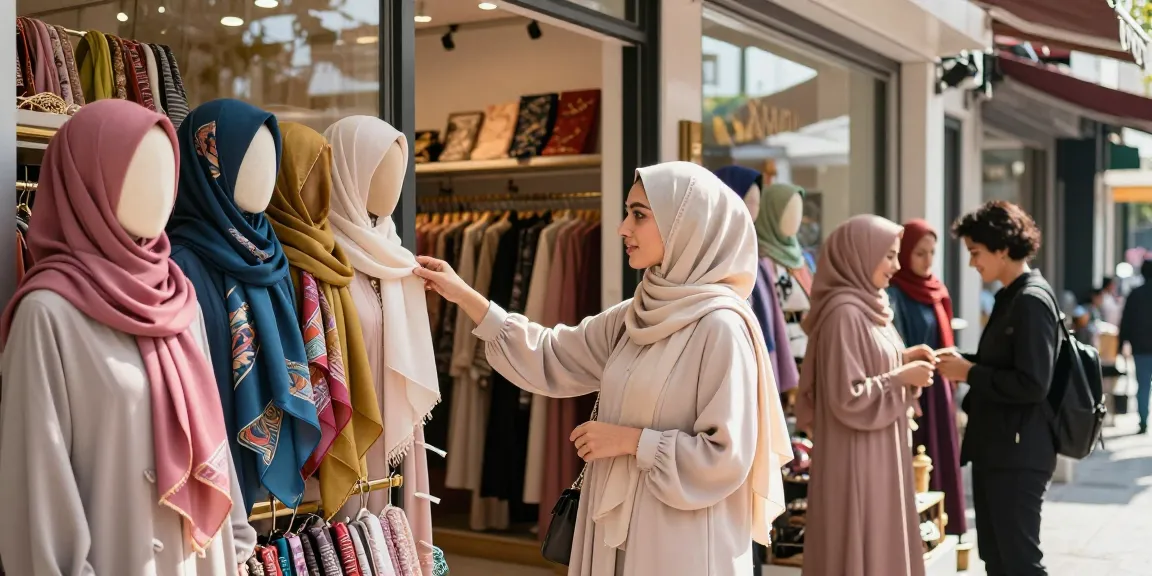
In recent years, the landscape of hijab retail has evolved dramatically, responding to cultural shifts and growing demand for fashionable modest wear. Today’s Hijab shop offers much more than basic headscarves; it serves as a dynamic space where style, culture, and ethical fashion intertwine. Exploring this evolving landscape helps consumers navigate their choices with confidence and awareness.
What Defines a Modern Hijab Shop?
A modern hijab shop is characterized by its diverse offerings that reflect both cultural heritage and contemporary fashion trends. Unlike traditional retail spaces, which often limited their selection to basic colors and patterns, today’s hijab shops feature a plethora of styles, fabrics, and designs that cater to the diverse tastes of Muslim women worldwide. From luxurious silk and breathable cotton to trendy wraps and oversized shawls, the array of options allows shoppers to express their individuality while honoring their faith.
Additionally, many hijab shops blend online and offline shopping experiences, creating an omnichannel presence that caters to various consumer preferences. As a result, shoppers can enjoy the convenience of browsing online while also having the option to visit physical stores for personalized styling advice and fabric touch tests.
The Importance of Ethical Fashion in Hijab Retail
As consciousness around sustainable and ethical fashion grows, hijab retailers are beginning to incorporate these principles into their business models. Many modern hijab shops prioritize ethical sourcing and production, ensuring that their materials are responsibly sourced and that workers are treated fairly. This commitment not only resonates with consumers looking for quality products but also aligns with the values of many within the Muslim community who seek to make conscious purchasing decisions.
Moreover, brands that emphasize sustainability often seek to educate their customers about the importance of choosing eco-friendly materials, thus contributing to a broader dialogue about environmental responsibility in the fashion industry.
Trends Reshaping the Hijab Shopping Experience in 2026
As we move towards 2026, several trends are set to redefine the hijab shopping experience. Firstly, technology integration will play a significant role. From augmented reality (AR) applications that allow customers to visualize how different hijabs will look on them, to AI-driven recommendations based on personal style preferences, the future of hijab shopping promises a tailored experience.
Additionally, the rise of bespoke services is likely to continue, with more shops offering customization options that allow shoppers to select their fabric, design, and even dimensions. This level of personalization not only enhances customer satisfaction but also fosters a deeper connection between consumers and brands.
Choosing the Right Hijab for Your Style
Selecting the perfect hijab involves understanding various styles and fabrics, as personal expression plays a significant role in modest fashion. Knowing where to look can significantly enhance this process.
Different Styles and Fabrics: What to Look For
When choosing a hijab, it’s essential to consider both style and fabric. Common styles include the classic shawl, turban, and instant hijabs, each serving different aesthetic preferences and purposes. Fabrics like chiffon, georgette, and jersey offer various benefits, such as breathability and ease of styling, and should be selected based on climate and comfort.
For instance, lightweight fabrics are ideal for warmer climates while thicker materials provide warmth in cooler weather. Furthermore, experimenting with prints and textures can elevate an outfit, making it crucial for shoppers to explore all available options.
How to Match Hijabs with Outfits for Various Occasions
Matching a hijab to an outfit can be a delightful way to express personal style while adhering to modest fashion principles. For casual outings, opt for vibrant colors and playful patterns that can uplift your look. In contrast, for formal occasions, consider rich, deep tones or classic neutrals that exude sophistication. Accessories like brooches or additional layering can also enhance the overall aesthetic.
Moreover, understanding the occasion can guide fabric choices; for instance, silk hijabs can elevate evening attire, while cotton or linen works wonderfully for everyday wear. Creating a versatile wardrobe that allows for flexibility across occasions is an excellent strategy for all hijab wearers.
Understanding Cultural Significance of Hijab Styles in Shopping
The hijab not only serves as a piece of clothing but is also laden with cultural significance. Different regions and communities have unique styles that reflect their heritage, beliefs, and social identities. For instance, the shayla is popular in the Gulf countries, while the khimar is commonly worn in Indonesia.
When shopping for hijabs, it’s important to respect and embrace these cultural nuances. This understanding not only enriches the shopping experience but also fosters appreciation for the rich tapestry of hijab styles that exist globally.
Enhancing Your Shopping Experience
To maximize satisfaction and investment in hijab shopping, incorporating effective strategies can greatly enhance the overall experience.
Tips for Navigating Hijab Shops Effectively
When visiting a hijab shop, come prepared with an idea of the styles you are interested in. Don’t hesitate to ask for help from store staff, as they can offer valuable insights into what works best based on your preferences. Moreover, consider trying on different styles and experimenting with various ways of draping the hijab to find what feels most comfortable and flattering.
Bringing along a friend can also provide additional perspectives and help you make confident decisions. Engaging in discussions about fabric textures and styling tips can further enhance the experience.
In-Store Services: Personal Styling and Customization
Many hijab shops have recognized the value of personal styling services, offering consultations that can help customers find styles that suit their face shapes and personal aesthetics. This tailored approach not only makes the shopping experience enjoyable but can also instill confidence in selections made.
Customization options, such as choosing colors and fabrics, allow shoppers to take ownership of their style. Brands that offer these services often create a loyal customer base, as shoppers appreciate the care and attention given to their individual preferences.
Online vs. Offline Shopping for Hijabs: What You Need to Know
Both online and offline hijab shopping has its distinct advantages. Online shopping provides the convenience of browsing from anywhere and often features a wider selection. However, physical stores allow for tactile experiences, such as feeling the fabric and trying on different styles. Opting for a hybrid approach can be beneficial, allowing shoppers to enjoy the best of both worlds.
When shopping online, ensure that you check return policies and read size guides to avoid any issues with your purchase. Conversely, when shopping in store, take advantage of consultations and styling advice that experts can provide.
Maximizing Value on Your Purchases
Investing in quality hijabs doesn’t have to be a financial burden. With the right strategies, it’s possible to find stylish options that provide excellent value without compromising on quality.
Finding Quality Hijabs Without Breaking the Bank
To find high-quality hijabs at reasonable prices, consider shopping during sales events and exploring local markets. Many brands offer seasonal discounts, making it an excellent time to invest in more expensive materials without overextending your budget.
Additionally, shopping from emerging brands can be a game-changer, as they often offer competitive pricing while providing unique styles that differ from mainstream options.
Understanding Sales, Discounts, and Loyalty Programs
Many hijab shops offer loyalty programs that reward repeat customers with discounts or exclusive access to new collections. By signing up for newsletters from your favorite stores, you can stay informed about upcoming sales and exclusive offers.
Understanding the timing of sales, such as holiday discounts or end-of-season clearances, can enhance your shopping strategy, enabling you to maximize value on your purchases.
How to Care for Your Hijabs to Extend Their Lifespan
Caring for your hijabs is essential to maintain their quality and appearance over time. Always check the care instructions on the labels, as different fabrics require specific care methods. For example, delicate fabrics might need to be hand-washed, while more durable materials can usually withstand machine washing.
Storing hijabs properly—folding them neatly and avoiding overcrowded spaces—can also extend their lifespan. Using garment bags can protect them from dust and damage, ensuring they remain in excellent condition.
Future Trends in Hijab Shopping
The future of hijab shopping is bright, with several trends emerging that aim to enhance the experience and meet the needs of the contemporary consumer.
Predicted Innovations in Hijab Retail Technology for 2026
In the next few years, we can expect significant advancements in technology within the hijab retail space. Innovations such as virtual try-on features and AI-driven customization tools will likely become standard in both physical and online shops. This technology aims to create a seamless shopping experience that caters specifically to individual customer needs.
Furthermore, integrated mobile apps may allow shoppers to receive real-time styling advice, access loyalty rewards, and keep track of their purchases effectively.
Sustainability Practices in Hijab Manufacturing
Sustainability will continue to be a crucial aspect of hijab shopping. As consumers become increasingly eco-conscious, retailers will focus more on sustainable manufacturing practices, using organic materials and ensuring ethical production standards. Transparency in sourcing will also become a key selling point for many brands, as customers will seek reassurance that their products are environmentally friendly.
Community Engagement: The Role of Hijab Shops in Local Culture
Hijab shops are not merely commercial entities; they serve as community hubs where cultural exchange occurs. By organizing events, workshops, and fashion shows, these shops engage with local communities, fostering a sense of belonging and shared identity among consumers.
Moreover, collaborations with local artisans can yield unique, culturally inspired designs, further enriching the shopping experience and promoting local craftsmanship.
What Should I Consider When Choosing a Hijab Shop?
When selecting a hijab shop, consider factors such as product variety, pricing, and the ethical practices of the brand. Researching customer reviews can also provide insights into the shopping experience and product quality. Additionally, visiting local shops can now allow for a tactile experience, helping you make informed choices based on personal needs and preferences.
How Can I Style My Hijab for Different Events?
Styling a hijab for various events involves understanding the formality of the occasion. For casual outings, a simple wrap or turban style may suffice, while more elaborate styles can be chosen for formal events. Accessories such as pins, clips, and brooches can enhance an outfit, allowing for versatility across different settings.
Experimentation is key—don’t hesitate to try different draping techniques until you find what best represents your style.
Are There Online Hijab Shops with Custom Options?
Many online hijab shops now offer customization options, allowing you to select colors, patterns, and even embellishments. This personalization not only ensures that you receive a product that fits your unique style but also supports the trend towards bespoke fashion solutions.
When exploring these options, ensure that the online retailer provides clear sizing guides and return policies to facilitate a smooth shopping experience.
What is the Best Way to Maintain My Hijab’s Quality?
To maintain your hijab’s quality, follow the care instructions meticulously and handle with care. Regular cleaning and proper storage in a cool, dry place can keep your hijabs looking like new for longer periods. When traveling, consider using a dedicated case to protect fabrics from snagging and creasing.
What Trends Should I Watch in Modest Fashion?
In the coming years, watch for trends that emphasize inclusivity and diversity within the modest fashion industry. More brands are beginning to reflect wider representations of cultural backgrounds, body types, and personal styles. This inclusivity will not only resonate with consumers but also contribute to a richer, more vibrant fashion landscape.
As the industry continues to evolve, staying informed about these changing trends will empower consumers to make choices that align with their identities and values.