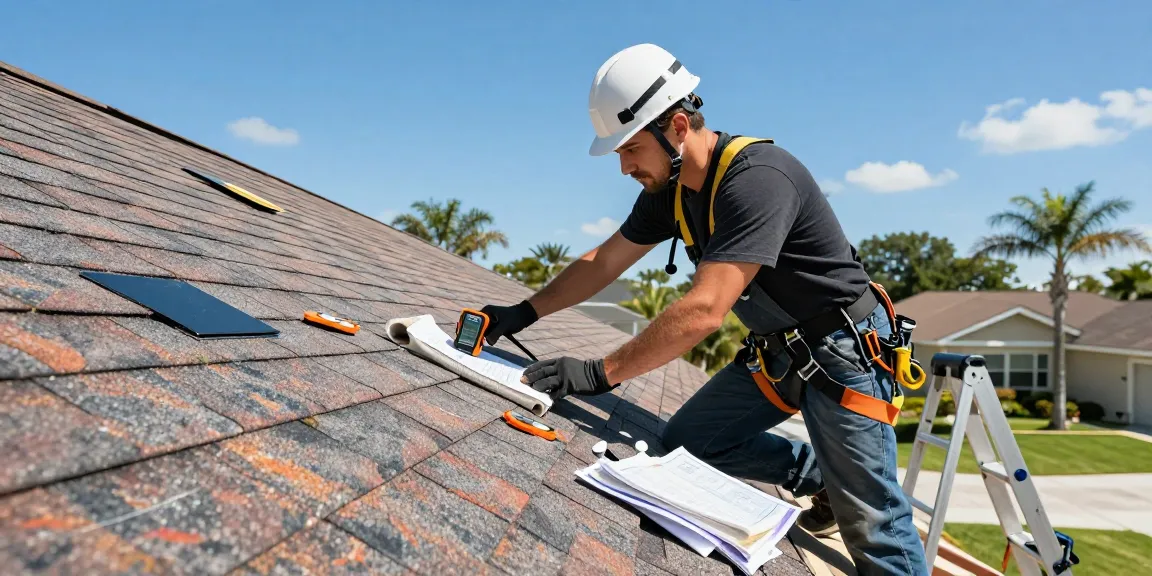
Understanding Spray Foam Insulation Removal
What is Spray Foam Insulation?
Spray foam insulation is a modern insulation option that expands on application, effectively sealing gaps and cracks in various structural components of buildings. Composed of polyurethane or similar materials, it provides excellent thermal resistance and air sealing, making it popular in both residential and commercial constructions. Unlike traditional insulation materials, such as fiberglass or cellulose, spray foam hardens into a solid form that adheres to surfaces, creating an effective barrier against heat loss, moisture, and air infiltration. However, its removal can be necessary under certain circumstances, which we will discuss in this article.
Why Removal May Be Necessary
There are numerous reasons one might need to undertake spray foam insulation removal. Over time, the insulation might degrade, or there may be changes in building usage that necessitate a return to other insulation forms. Furthermore, improper initial application can lead to health hazards due to off-gassing or inadequate moisture control. If the insulation has become damaged due to pests or water leaks, its thermal properties can be compromised, leading to higher energy costs and reduced indoor comfort.
Signs You Need Spray Foam Insulation Removal
Several signs indicate it may be time to remove spray foam insulation. Look out for:
- Visible Damage: Cracking, crumbling, or tear in the foam.
- Humidity Issues: Increasing moisture levels that lead to mold growth.
- Odor: Strong, unpleasant chemical smells are a sign of off-gassing.
- Pest Infestation: Presence of pests that compromise the insulation’s integrity.
- Performance Issues: Noticeable drafts or increased heating and cooling costs.
Tools and Equipment for Effective Removal
Essential Tools for DIY Spray Foam Insulation Removal
If you contemplate removing spray foam insulation yourself, ensure that you are equipped with the necessary tools. Essential items include:
- Utility Knife: For cutting through foam layers effectively.
- Reciprocating Saw: Helpful for larger areas where foam is adhered to the substrate.
- Scrapers: To remove residual foam after cutting.
- Shop Vacuum: For easy clean-up of debris.
Safety Equipment You Should Use
Safety must be your top priority during the removal process. Always wear:
- Protective Gloves: To prevent skin contact.
- Dust Mask or Respirator: To avoid inhaling particles and fumes.
- Goggles: To protect your eyes from irritants.
- Coveralls: To protect your clothing and skin from dust and material.
Recommended Tools to Hire
If you prefer a faster, more efficient removal process, consider hiring specialized tools:
- Insulation Removal Machine: These machines can expedite the removal process exponentially.
- High-Temperature Heat Gun: Useful for softening foam for easier removal.
- Air Scraper: This tool can blast off foam from a surface without damaging the substrate.
Step-by-Step Guide to Removing Spray Foam Insulation
Preparation Before Removal
Prior to starting the removal process, ensure proper preparation. Begin by:
- Turning off heating and cooling systems to prevent circulation of any harmful particles.
- Sealing off the work area with plastic sheeting to contain debris and dust.
- Gathering all necessary tools and safety equipment, ensuring everything is within reach.
Techniques for Safe Removal
To effectively and safely remove spray foam insulation:
- Cutting: Use a utility knife or reciprocating saw to make shallow cuts into the foam. Cut along the edges to the surface it adheres to.
- Peeling: After making cuts, try to peel the foam off gently. If it resists, use a scraper to assist.
- Vacuuming: Clean up any loose particles before proceeding to avoid inhalation or additional cleanup later.
Post-Removal Clean-Up Tips
Once you’ve successfully removed the insulation, your focus should shift to cleaning up:
- Dispose of all foam debris according to local regulations.
- Vacuum the work area thoroughly to eliminate residual particles.
- Inspect the underlying surfaces for damage or moisture issues that need addressing before new insulation is applied.
Costs and Considerations When Removing Spray Foam Insulation
Average Costs for Professional Removal
Engaging professionals for spray foam insulation removal generally costs between £1,000 to £2,500, depending on the size of the area and the complexity of the job. This price also includes disposal fees for the removed insulation material and any additional repairs needed to the structure post-removal.
Factors Influencing Removal Costs
Several factors can influence the overall cost of removal:
- Size of the Area: Larger spaces naturally require more labor and materials.
- Accessibility: Locations that are difficult to reach may incur higher charges.
- Pre-existing Damage: Repairing damage caused by moisture or pests will increase overall costs.
- Regulatory Costs: Certain localities have strict guidelines for disposal of hazardous materials.
DIY vs. Hiring Professionals
Choosing between DIY removal or hiring experts is a significant consideration. While DIY may save immediate costs, professional services come with experience in ensuring safety, speed, and proper disposal methods. If you are unsure about your ability to safely perform the removal, hiring professionals may prevent future headaches and additional costs.
Frequently Asked Questions about Spray Foam Insulation Removal
How long does spray foam insulation removal take?
The time required for removal depends on the job’s size and complexity. Typically, professionals may complete the work in one to three days.
Can I remove spray foam insulation myself?
Yes, it is possible to remove it yourself, but ensure you have the proper tools, safety equipment, and experience to avoid health risks.
What safety precautions should I take during removal?
Always wear protective gear, including gloves, a dust mask, and goggles. Ensure proper ventilation to minimize inhalation of harmful particles.
What should I expect after the insulation is removed?
After removal, you may notice an increase in drafts and energy costs until new insulation is installed. Inspect for any structural damage that may need repair.
Is it necessary to replace insulation after removal?
Yes, after removing spray foam insulation, it’s essential to replace it with suitable insulation to maintain energy efficiency and protection from the elements.