Understanding the Benefits of an 18k Mini Split System
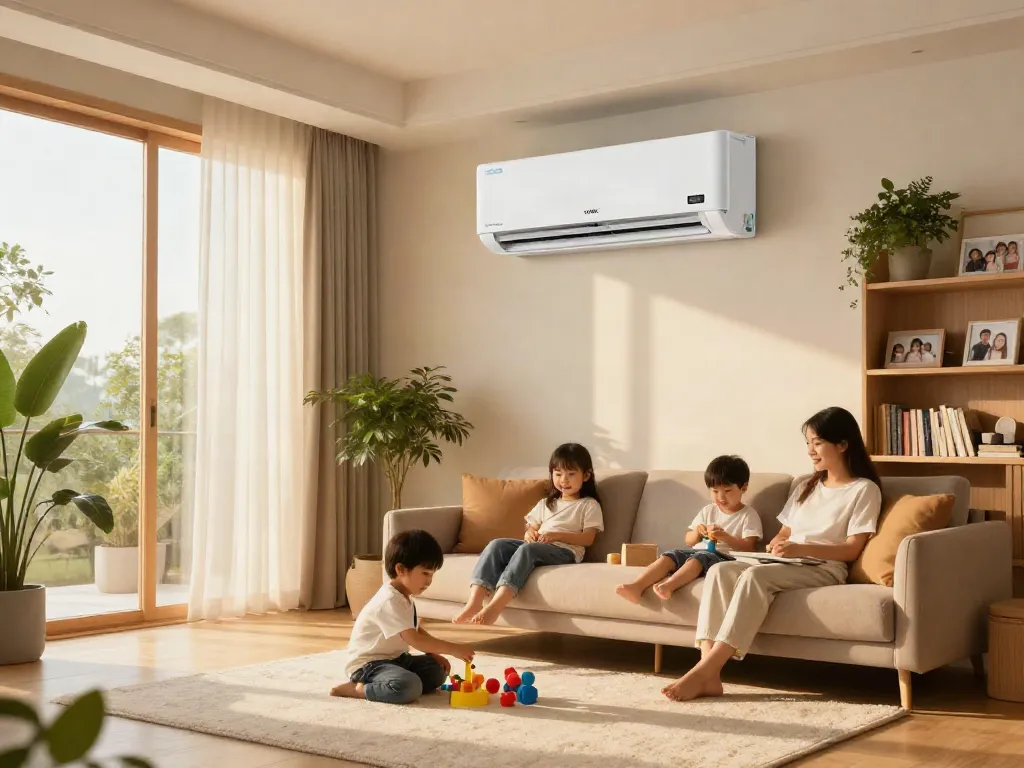
As a homeowner considering climate control options, the 18k mini split system might be on your radar. These systems are increasingly popular for their versatility and efficiency, particularly in spaces that require more than just conventional heating and cooling solutions. An 18,000 BTU mini split system can efficiently cool or heat a variety of medium-to-large spaces, including living rooms and open floor plans, while seamlessly blending into your home’s decor.
What is an 18k Mini Split?
Mini split systems are a type of ductless air conditioning and heating system. An 18k mini split system specifically has a cooling capacity of 18,000 British Thermal Units (BTUs) per hour. This capacity is ideal for spaces up to 1,000 square feet, making it suitable for larger rooms or open areas. The system consists of two main components: an indoor unit that distributes air and an outdoor unit that houses the compressor and condenser. The two units are connected by refrigerant lines, which allows for efficient climate control without the need for ductwork.
Key Advantages of Using a Mini Split System
- Energy Efficiency: Mini splits are known for their high Seasonal Energy Efficiency Ratio (SEER) ratings. Many models surpass conventional HVAC systems, which can lead to significant cost savings on electricity bills.
- Zone Control: With mini split systems, you can customize the temperature for different areas of your home. This zoning capability ensures comfort and can reduce energy waste.
- Installation Flexibility: Their ductless design allows for easier installation in both new and existing homes, often requiring less time and labor than traditional systems.
- Quiet Operation: Most mini splits operate more quietly than traditional air conditioning units, making them ideal for bedrooms and living areas.
Why Choose 18k Mini Split for Residential Spaces?
The choice of an 18k mini split system is particularly advantageous for residential settings. Given that many modern homes feature open floor plans, the ability to provide efficient and effective cooling and heating in larger areas is essential. Additionally, these systems can efficiently manage temperature fluctuations without the need for ductwork, which can be a significant source of energy loss. Furthermore, by investing in an 18k mini split, homeowners can enjoy enhanced indoor air quality, as these systems often include advanced filtration options.
Installation Guidelines for 18k Mini Split Systems
Steps to Prepare for Installation
Preparing for the installation of your 18k mini split system involves several key steps:
- Assess Your Space: Determine the best locations for both indoor and outdoor units. Ideally, the indoor unit should be positioned where it can effectively distribute air throughout the room.
- Measure and Plan: Take accurate measurements of the space to ensure the unit will fit and provide sufficient coverage. Consider the layout of the room; open areas will require different planning than closed-off rooms.
- Gather Necessary Tools: Ensure you have all the tools needed for installation, which may include a drill, mounting hardware, and an appropriate refrigerant line set.
Choosing the Right Location for Optimal Performance
Location is crucial for the optimal performance of your mini split system. The indoor unit should be installed on an interior wall that allows for unobstructed airflow. Avoid placing the unit in corners or behind furniture, as this can hinder airflow and reduce efficiency. For the outdoor unit, select a location that is well-ventilated and free from debris or obstructions that could impede airflow.
Common Mistakes to Avoid During Installation
When installing an 18k mini split, it’s essential to avoid common pitfalls that can affect performance:
- Improper Sizing: Ensure the unit is correctly sized for your space; an oversized unit can lead to short cycling, while an undersized unit will struggle to maintain temperature.
- Ignoring Local Codes: Familiarize yourself with local building codes and regulations regarding HVAC installations to avoid legal issues down the line.
- Incorrect Refrigerant Charge: Ensure that the refrigerant charge is set according to the manufacturer's specifications to maintain efficiency and performance.
Maintenance Tips for Longevity of Your 18k Mini Split
Routine Maintenance Practices to Follow
To ensure the longevity and efficiency of your 18k mini split, regular maintenance is crucial. Here are some practices to follow:
- Clean Filters Regularly: Clogged filters can restrict airflow and reduce system efficiency. Clean or replace filters every one to three months, depending on usage.
- Inspect the Outdoor Unit: Remove debris, leaves, and dirt around the outdoor unit to promote airflow and prevent overheating.
- Check the Refrigerant Lines: Inspect the refrigerant lines for signs of wear or damage, as leaks can reduce efficiency and cause system failures.
Signs Your Mini Split Needs Professional Attention
Being attentive to the signs that your mini split system may need professional servicing is vital:
- Unusual noises during operation, such as grinding or rattling.
- Inconsistent temperature control within the same space.
- Visible leaks or pooling water around the indoor or outdoor units.
Winterizing Your Mini Split for Seasonal Efficiency
Preparing your mini split for the winter months is essential for maintaining efficiency:
- Adjust the Thermostat: Set the thermostat to maintain a comfortable temperature without overexerting the system.
- Clean the Outdoor Unit: Remove snow and ice around the outdoor unit, and install a protective cover if recommended by the manufacturer.
Energy Efficiency and Cost Savings with 18k Mini Split Systems
Understanding SEER Ratings and Their Importance
Seasonal Energy Efficiency Ratio (SEER) is a critical metric in evaluating the efficiency of air conditioning systems. The higher the SEER rating, the more efficient the unit is. Many modern mini split systems, particularly those rated above 20 SEER, offer significant energy savings. In contrast, older systems often fall below the 12 SEER mark, resulting in higher energy consumption and costs.
How an 18k Mini Split Can Lower Your Energy Bills
By utilizing an 18k mini split system, homeowners can effectively lower their energy bills due to its design that allows for precise temperature control and efficient operation. Unlike traditional HVAC systems that cycle on and off, mini splits maintain consistent temperatures, reducing energy wastage. Furthermore, the ability to zone control different areas means you are only heating or cooling spaces that you are using, further enhancing efficiency.
Comparative Analysis with Traditional HVAC Systems
When compared to traditional HVAC systems, 18k mini splits show significant advantages:
- Installation Cost: While the initial investment might be higher, the absence of ductwork reduces installation costs and complexities.
- Operating Costs: Mini splits typically have lower operating costs due to higher efficiency ratings, which can translate into ongoing savings.
- Comfort Control: The zoning capability of mini splits allows for customized comfort, which is often lacking in traditional systems.
Future Trends for Mini Split Technologies in 2026
Innovations on the Horizon for Mini Split Models
As technology advances, mini split systems are becoming more sophisticated. Future trends may include increased integration with smart home systems, allowing users to control their heating and cooling via mobile devices, and enhancements in energy efficiency technologies.
Smart Features and Home Automation Integration
Home automation is one of the most promising trends in mini split technology. Newer models may come equipped with features like Wi-Fi connectivity, which allows users to adjust temperatures remotely or set schedules for energy-saving operations.
Environmental Considerations and Eco-Friendly Options
The movement towards more environmentally friendly refrigerants is ongoing. Future models may utilize eco-friendly refrigerants that have lower global warming potential, aligning with global sustainability goals.
What Size Room is Best for an 18k Mini Split?
An 18k mini split is ideal for spaces ranging from 550 to 1,000 square feet. This makes it perfect for medium to large rooms, such as living areas, family rooms, and spacious bedrooms.
How Much Does an 18k Mini Split Cost?
The cost of an 18k mini split system can vary significantly based on brand, features, and installation requirements. On average, homeowners can expect to pay between $1,200 and $2,800 for the unit and installation combined.
Can a Mini Split Heat a Home in Winter?
Yes, an 18k mini split can efficiently heat your home during winter. Many models include heat pump functionality, allowing them to extract heat from outside air, even in lower temperatures, ensuring a comfortable indoor environment.
What are Common Mistakes When Installing an 18k Mini Split?
Some common mistakes include improper sizing, incorrect placement of units, and inadequate maintenance post-installation, all of which can significantly impact the efficiency and longevity of the system.
How Do I Know if My Mini Split is Working Properly?
Keep an eye out for consistent temperatures throughout your space, minimal noise levels, and lack of moisture around the units. If anything seems amiss, such as unusual noises or erratic temperature control, consider reaching out for professional assistance.
What Maintenance Does an 18k Mini Split Require?
Regular filter cleaning or replacement, outdoor unit inspections, and refrigerant level checks are essential maintenance tasks for ensuring the longevity and efficiency of your mini split system.