
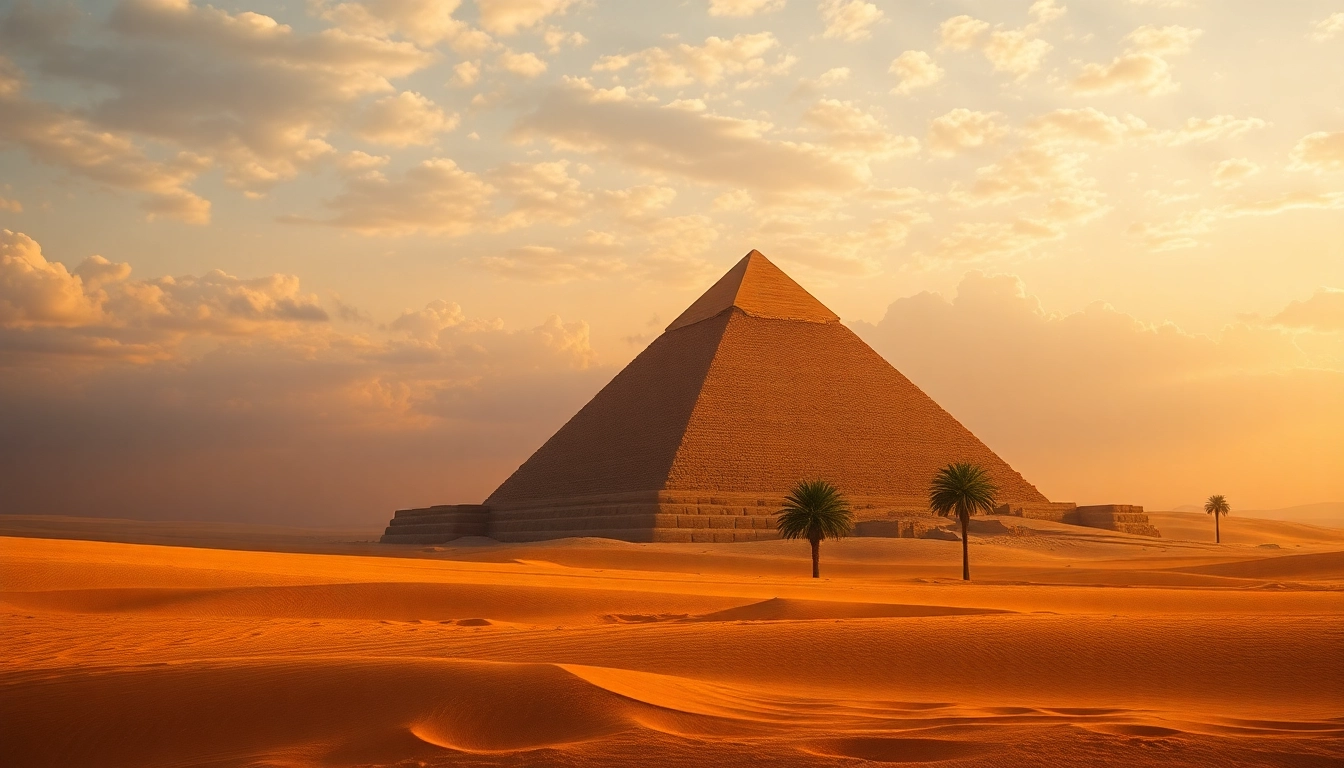
Introduction to Pyramids
The awe-inspiring pyramids of Egypt, particularly the Pyramids of Giza, have captivated humanity for centuries. These majestic structures symbolize the incredible engineering prowess of ancient civilizations and serve as a testament to their cultural and historical significance. Visitors from around the world flock to witness these remarkable monuments, exploring their intricate designs and rich histories. For those interested in delving deeper into the wonders of these architectural giants, a wealth of information can be found at https://piraminds.com/.
History of Pyramids of Giza
The Pyramids of Giza, located on the Giza Plateau near Cairo, are among the most iconic and enduring symbols of ancient Egypt. The Great Pyramid, built for Pharaoh Khufu around 2580-2560 BCE, is the largest of the three pyramids at Giza and was originally 146.6 meters tall. Constructed during the Fourth Dynasty of the Old Kingdom, these pyramids were built as elaborate tombs for pharaohs, reflecting their monumental status and the belief in the afterlife. The precise methods used to construct these ancient structures remain a topic of research and debate, inspiring numerous theories among scholars.
Structuring Ancient Egyptian Society
The construction of the pyramids was deeply intertwined with the social, political, and religious fabric of ancient Egyptian society. The pharaoh was viewed as a divine figure, and building a pyramid was an expression of political power and religious devotion. Architects and laborers were organized into skilled teams, forming a complex society centered around pyramid construction. This structure further solidified the hierarchy of workers, with skilled laborers often receiving better treatment, including food and shelter.
Purpose of Pyramid Construction
Pyramids were primarily constructed as tombs for pharaohs, serving as a final resting place that facilitated their journey into the afterlife. The design of the pyramid itself was symbolic, representing the rays of the sun and the pharaoh’s ascent to the heavens. To protect the deceased from robbers, intricate traps and hidden chambers were integrated into pyramid construction, showcasing the advanced engineering and foresight of the ancient Egyptians.
Architectural Marvels
Engineering Techniques Used
The engineering techniques utilized in pyramid construction were revolutionary, showcasing advanced knowledge of mathematics, astronomy, and statics. Workers used simple tools such as levers and ramps to transport massive stones, some weighing several tons. Surveying methods, including the use of the sun’s shadow, allowed builders to create precise alignments. The accuracy of the pyramid’s base is a testament to their expertise in land surveying and geometric principles.
Materials and Labor Force
The primary material used in the construction of the pyramids was limestone, sourced from nearby quarries. The outer casing often consisted of finer Tura limestone, giving the pyramids their smooth, white appearance. The labor force comprised skilled workers, craftsmen, and seasonal laborers who participated in pyramid construction as part of a tax obligation or during the agricultural off-season. Contrary to popular belief, most of the workers were not slaves but rather part of a well-fed, organized workforce.
Innovations in Design
The design of the pyramids evolved significantly over time, from the step pyramid of Djoser to the true pyramids at Giza. The transition to a smooth pyramid shape is credited to advancements in architectural understanding. These innovations also included the incorporation of mortuary temples, which played a crucial role in the funerary practices of the time. The pyramid complex was more than just a burial site; it created a ceremonial space that included temples and statues dedicated to the pharaoh.
Explorations and Discoveries
Recent Archaeological Findings
Recent archaeological discoveries continue to shed light on the history of the pyramids, as excavations reveal hidden chambers and artifacts. For instance, the discovery of a void within the Great Pyramid using cosmic-ray muon imaging techniques has raised new questions about the intended design and purpose of these ancient structures. Ongoing research and technological advancements provide deeper insights into the methods of construction and the lives of the workers who built them.
Popular Myths and Facts
Numerous myths surround the pyramids, often fueled by popular media and a general fascination with ancient Egypt. One of the most persistent myths is that the pyramids were built by slaves. Historical evidence suggests that a skilled workforce was used, dispelling the notion of mass enslavement. Additionally, the idea that the Great Pyramid was built overnight reflects a misunderstanding of the complex and lengthy construction processes involved, which took years, if not decades, to complete.
Significance of Tomb Artifacts
Tomb artifacts are critical to understanding daily life, beliefs, and practices in ancient Egypt. Items found within the pyramids range from tools and jewelry to religious texts, each providing insights into the culture and values of the time. These artifacts were believed to accompany the pharaoh into the afterlife, illustrating the importance of material possessions in facilitating a successful passage and existence beyond death.
Visiting the Pyramids
Best Times to Visit
The best times to visit the Pyramids of Giza are during the cooler months of October to April. The weather is more pleasant, allowing for comfortable exploration. Early morning or late afternoon visits offer a chance to avoid crowds and enjoy the golden hour lighting, which enhances the photogenic qualities of the pyramids. However, travelers should be aware of peak tourist seasons and plan their trips accordingly.
Guided Tours and Experiences
Opting for a guided tour can enrich the experience of visiting the pyramids. Knowledgeable guides provide fascinating insights into the history, architecture, and culture of ancient Egypt, transforming a simple visit into an educational experience. Many tours also include visits to nearby attractions such as the Sphinx and the Solar Boat Museum, offering a comprehensive understanding of the historical context surrounding the pyramids.
Tips for Tourists
When visiting the pyramids, tourists should wear comfortable clothing and sturdy shoes, as walking is essential for exploration. Bringing plenty of water is crucial, particularly during warmer months. Travelers may also wish to consider hiring a local guide for personalized insights, navigating the sites more efficiently and ensuring a rich experience. Respect for the monuments is paramount; climbing on the pyramids or damaging artifacts is strictly prohibited.
Conclusion and Future Research
Ongoing Studies on Pyramid Construction
Academics and archaeologists continue to investigate pyramid construction techniques, employing state-of-the-art technology to unveil new findings. Research has expanded to include the role of labor organization, resource management, and the social structure supporting this monumental endeavor. These studies threaten to reshape our understanding of ancient construction practices and societal organization.
Preservation Efforts and Challenges
Preservation of the pyramids presents numerous challenges, including natural erosion, pollution, and tourism-related wear and tear. Ongoing efforts focus on conservation projects aimed at stabilizing the structures and protecting them from the elements. Collaboration between local authorities and international organizations plays a vital role in securing funding and expertise for future preservation endeavors.
What Lies Beneath the Pyramids?
The mysteries beneath the pyramids continue to intrigue scholars and enthusiasts alike. Ongoing exploration and advancements in non-invasive technologies, such as ground-penetrating radar, have revealed previously unknown voids and chambers, prompting further investigation into their purpose. The secrets they hold may one day provide answers related to burial practices, pyramid construction, and the society that built these incredible monuments.
FAQs
1. How old are the Pyramids of Giza?
The Pyramids of Giza were built during the Fourth Dynasty of the Old Kingdom, approximately 4,500 years ago.
2. Who built the Pyramids?
The Pyramids were built by skilled laborers, engineers, and artisans, rather than slaves, reflecting a sophisticated societal structure.
3. Why are pyramids important?
Pyramids are important as they represent ancient Egyptian civilization, offering insights into their architecture, culture, and beliefs about the afterlife.
4. What materials were used to build the pyramids?
Primarily limestone was used for the bulk of the pyramid, with finer Tura limestone used for the outer casing to create a smooth appearance.
5. Is it possible to enter the pyramids?
Visitors can enter some pyramids, such as the Great Pyramid, but access is often limited and typically requires a ticket or guided tour.